
Street Closures, Loading Bays and Fines for Paddington Moves
Posted on 26/06/2026
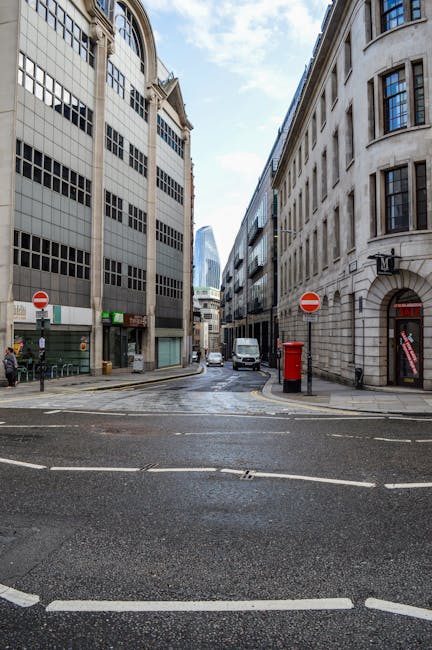
Moving in Paddington sounds simple enough until you hit the real-world stuff: a film crew blocking the kerb, a loading bay already taken, a yellow line you really should not ignore, or a street closure that turns a 10-minute drop-off into a messy, expensive delay. Street Closures, Loading Bays and Fines for Paddington Moves is one of those topics people only search for after they have already felt the stress. Fair enough too. Paddington is busy, compact, and heavily used by residents, commuters, visitors and service vehicles all at once.
This guide explains how access works in practical terms, what tends to go wrong, why fines happen, and how to plan a move that keeps things moving. If you want a broader picture of moving support in the area, you can also explore the full removals service overview or read about Westminster Council permits for Paddington removals before booking.
By the end, you should know how to avoid the classic pitfalls: the wrong vehicle size, no bay space, poor timing, or assuming a quick stop is never a problem. Let's get into it.
Why Street Closures, Loading Bays and Fines for Paddington Moves Matters
Paddington has a particular rhythm. Roads are busy early, busy late, and often busy in between. You'll find residents leaving for work, taxis pulling up, deliveries arriving, and vehicles circling for spaces that are never quite as available as they look from a distance. For a move, that creates a simple reality: access is just as important as the packing.
If your van cannot stop close enough to the entrance, every item becomes harder to carry. A sofa that should have taken five minutes can take half an hour. A row of boxes can become a wet-weather scramble. And if a loading bay is unavailable or restricted, you may be forced into a less convenient spot, which increases the chance of delay, inconvenience and, yes, fines.
That is why access planning matters so much. It protects your schedule, reduces lifting risk, and helps avoid the kind of penalty that leaves people muttering into a coffee cup on moving day. To be fair, nobody plans a move hoping to spend the afternoon arguing with parking restrictions.
It also matters commercially. A well-planned access strategy can reduce labour time, the need for extra trips, and unnecessary stress on the team doing the lifting. That is particularly relevant for flat moves, house moves and office moves in central London, where streets can change character block by block. If you are moving from a high-rise flat, a compact terrace, or a mixed-use building with tight access, this becomes even more important. For example, our flat removals in Paddington guide is a useful companion if stairs, narrow entrances and limited curb space are all part of the picture.
Expert summary: In Paddington, the best move is rarely the one that looks quickest on paper. It is the one that has the cleanest access plan, the fewest surprises, and a realistic buffer for loading, parking and local restrictions.
How Street Closures, Loading Bays and Fines for Paddington Moves Works
At a practical level, a move in Paddington usually depends on three things: where the vehicle can stop, how long it can stay there, and whether the route to the property is open and safe. Street closures can block access outright. Loading bays can give you a legal place to pause, but only if they are available and used correctly. Fines appear when a vehicle is stopped in the wrong place, stays too long, or ignores a restriction that was clearly in force.
The details vary by street, time of day and local conditions. Some roads allow short loading only. Some bays are shared or time-limited. Some streets may be temporarily closed for works, events, or emergency access. In Paddington, that can change the plan very quickly. A route that worked yesterday may not work today. A bay that looked free at 8:00 may be busy by 8:15.
That is why experienced movers think in layers. First, they check the address and access conditions. Then they think about vehicle size, bay availability and the walking distance from van to doorway. Finally, they build in a time buffer because London, well, London happens.
Fines usually happen because one of these is missed:
- the van stops in a restricted location without a valid exemption or permission
- the driver assumes loading is automatically allowed everywhere
- the move overruns the bay time limit
- temporary street closures or suspensions were not checked in advance
- the vehicle is too large for the street layout or access point
Sometimes the issue is not the street itself, but the building approach. A narrow forecourt, a concierge rule, or a shared driveway can create extra delay. If you are moving into or out of a property with awkward access, it helps to read more about furniture, stairs and parking restrictions in W2 because those problems often travel together.
What loading bays actually do for a move
A loading bay gives you a designated place to stop closer to the property, which can reduce carrying distance and speed up the move. In simple terms, it turns a long, awkward lift into a more controlled one. That matters when you have heavy furniture, fragile items, or a long list of boxes and bags.
But a loading bay is not a magic free pass. It still comes with rules. The bay may be shared, time-restricted, or reserved for particular users. If the vehicle stays longer than the permitted period or is parked in the wrong kind of bay, a penalty can follow.
Why street closures create moving-day headaches
Street closures usually matter because they block the route you planned to use. Sometimes it is a full closure. Sometimes it is a partial closure, a suspended bay, or a narrowed section of road. The effect is the same: the clean handoff between vehicle and property disappears, and everybody has to improvise. That is rarely a good moment to improvise.
Key Benefits and Practical Advantages
When handled properly, access planning does much more than reduce fines. It makes the whole move feel calmer and more manageable. The benefits are practical, not glamorous, but they matter a lot on the day.
- Shorter carrying distances: Less time walking between the van and the property means quicker loading and less physical strain.
- Lower chance of penalties: A planned stop is safer than a hopeful one.
- Faster turnaround: If the vehicle is close to the entrance, the team can move in a smoother rhythm.
- Less damage risk: Fewer handovers and shorter lifts often mean fewer knocks, scuffs or dropped items.
- Better scheduling: Access planning helps you predict whether one trip or several will be needed.
- Less stress for everyone: Quite simply, people work better when they are not circling the block in panic.
There is also a customer-service angle. If you are moving a home, clear access can make settling in feel less chaotic. If you are relocating an office, it can reduce disruption to neighbours, staff and building users. For businesses especially, that can be the difference between a clean handover and an awkward morning spent apologising in the lobby. If your move is office-based, our office removals Paddington page may help you think about access, timing and equipment as a single project rather than separate jobs.
And yes, saving money is part of it too. Anything that reduces delay can help avoid extra labour time, repeat trips or last-minute vehicle changes. If you want to understand how costs can creep up, have a look at avoiding hidden fees in Paddington removals. It sits nicely alongside this topic.
Who This Is For and When It Makes Sense
Not every move needs a detailed street-management plan, but Paddington is one of those places where it often pays to think ahead. If any of the following sound familiar, this topic matters to you.
- Residents in flats: Especially if the building is on a busy road or has no private driveway.
- House movers: Even a house with a front door can be awkward if the road is tight or the bay is shared.
- Office movers: Business moves often have a narrow time window and fewer chances to improvise.
- Students: Student moves can be small, but they are often urgent and badly timed with street conditions.
- People using a man and van service: These jobs depend heavily on quick curbside access.
- Anyone moving near transport hubs or busy roads: The closer you are to heavy footfall and traffic, the more access planning pays off.
It also makes sense if you have bulky furniture, pianos, fragile items or a stack of boxes that will take time to shift. In those cases, a small parking mistake can become a much bigger headache. If the move is last-minute, access is even more important, because there is less time to correct a mistake. That is where same day removals in Paddington can be useful, but only if the route, bay space and timing are realistic.
One quiet truth here: the more awkward the street looks, the more careful the plan should be. Simple enough.
Step-by-Step Guidance
If you want the move to go smoothly, use a process rather than guesswork. A little structure goes a long way, and it does not have to be complicated.
- Check the property access early. Look at the road, the pavement width, the entrance, the stairs and any obvious parking restrictions. If possible, do this a few days before the move.
- Identify loading options. Decide whether the vehicle can use a loading bay, a legal short-stay area, or a private forecourt. Do not assume the nearest space is the right one.
- Confirm restrictions for the day. Temporary closures, roadworks or event-related changes can affect access. If you are unsure, ask the building manager, landlord or removal company to help check the latest conditions.
- Match the vehicle to the street. A larger van is not always better. If the road is narrow, a smaller vehicle may be much easier to place safely.
- Plan the loading order. Put the heaviest and most awkward items near the exit first, but keep fragile items protected and easy to reach.
- Build in a time buffer. If the bay is only available for a short period, make sure your team can finish within it or can move quickly to an alternative arrangement.
- Communicate with everyone involved. Tell the building, the driver and the movers what the plan is. Confusion on the day is expensive.
- Keep evidence and documents handy. If any permission or booking was agreed, keep it available for quick reference.
A practical example: a flat move near Paddington Station may look easy because the address is central, but the real challenge is often the timing. Morning traffic, pedestrians and short-stay restrictions can combine into a bottleneck. In that situation, a slightly earlier arrival, a smaller vehicle and one clear loading point are usually better than trying to squeeze in later with a larger van. If you need more on timing, moving near Paddington Station timing tips is worth reading.
Expert Tips for Better Results
Most access problems are avoidable if you think like the person who has to unload the sofa, not like the person who is trying to get through the day as quickly as possible.
1. Aim for the least complicated stop, not the nearest-looking one
The nearest place to park is not always the safest or most legal. A stop a few metres further away, but clearly allowed, is often the smarter option. You save time by avoiding argument, fines and repositioning. Strange, but true.
2. Treat the move as a timed operation
If the loading bay is time-limited, work backwards from the deadline. Decide when the van must arrive, when the boxes need to be ready, and how long the largest items will take. This is especially helpful for flat removals and office moves where several people are involved.
3. Keep bulky items separate in your plan
Wardrobes, sofas, desks and pianos should not be treated like ordinary boxes. They change the access plan, because they slow carrying, need more space and may require more than one person to manage safely. For larger or delicate items, a specialist page such as piano removals Paddington can be relevant if the item needs extra care.
4. Use the building layout to your advantage
If a concierge, side entrance or service lift exists, that can change everything. Ask about it early. Sometimes the smallest practical detail - a side gate, a rear entrance, a downstairs store room - saves a lot of walking and stress.
5. Don't leave cardboard and wrap lying around
Clutter slows down the move and makes the access route less safe. A clear path is faster and less likely to cause damage. If you end up with more waste than expected, you may find what to do with bulky waste after a Paddington move useful after the dust settles.
Sometimes the best advice is the boring advice. Keep the route clear. Keep the van legally placed. Keep the paperwork close. It is not glamorous, but it works.
Common Mistakes to Avoid
The same few mistakes show up again and again. Most are completely understandable. None of them are particularly cheap.
- Assuming loading is always allowed: A marked bay or open kerbside space does not automatically mean free access for a removal vehicle.
- Ignoring street closures until the last minute: This is one of the fastest ways to lose time.
- Booking the wrong size vehicle: Too large, and access becomes awkward. Too small, and you may need extra trips.
- Leaving the loading plan to the day itself: That usually leads to rushing, and rushing creates errors.
- Forgetting the walking route: A "good" parking space can still be bad if it means crossing unsafe or crowded paths with heavy furniture.
- Not informing the movers about restrictions: If the team does not know about the constraints, they cannot plan around them.
A sneaky one is underestimating how long it takes to move a few heavy things through a narrow entrance. People often think, "It's only a short distance." Then the first sofa meets the stairwell, and suddenly the whole afternoon changes shape. Happens all the time.
Another mistake is ignoring how access affects pricing. If a move requires extra waiting, additional lifting, or a second vehicle arrangement, the cost can rise. That is why access planning and pricing should be discussed together, not as separate conversations. If you are comparing quotes, pricing and quotes is a sensible starting point.
Tools, Resources and Recommendations
You do not need a complicated toolkit to manage street access well, but a few simple things help a lot.
- Property photos: Photos of the entrance, street and nearest loading area help movers judge access before they arrive.
- Simple timing notes: Write down the arrival time, estimated loading time and any bay restrictions.
- Building contact details: A concierge, landlord or office manager can often clear up access questions quickly.
- Move inventory: Knowing what is being moved helps decide whether one bay visit is realistic.
- Protective packing: Good packing speeds up handling, which matters when access windows are tight. You can also review packing and boxes in Paddington if you want the move to be more organised from the start.
For people who prefer a fuller service, it can help to look at the wider support available. A move with man and van Paddington is often suitable for smaller loads and quicker access jobs, while a more involved household move may be better handled through house removals Paddington. If you are relocating contents rather than moving everything in one go, storage may also be part of the plan, and storage in Paddington can make the whole process less rushed.
If you want to understand the company's wider approach to quality and service, their about us page gives a bit more background. And if you are ready to talk through a tricky access point, the contact page is the place to start.
Law, Compliance, Standards, or Best Practice
Street closures, waiting restrictions, loading bays and parking controls are not just practical concerns; they sit within local parking and road-use rules. The exact position can vary by street and circumstance, so it is sensible to treat them carefully rather than loosely. In London, this usually means assuming that "brief" stopping is not automatically legal stopping.
For removals, the safest approach is to follow the principle of prior permission where required, keep to the permitted time where a loading bay is being used, and make sure the vehicle is positioned only where it is allowed to be. If a building has its own rules, those matter too. Private property access, shared drives, concierge instructions and landlord conditions can all add extra layers.
Best practice is straightforward:
- confirm access before move day
- choose a legal stopping point
- keep the vehicle and loading activity within permitted limits
- plan for traffic, closures and delays
- make sure the removal team understands the site conditions
For anyone dealing with a more demanding move, the broader safety picture matters too. Good manual handling, proper lifting technique and sensible route planning are part of standard moving practice. If you want reassurance about how a provider thinks about safety, the pages on insurance and safety and health and safety policy are relevant.
One caution, though: if you are unsure whether a stopping arrangement is allowed, do not assume. Ask first. It is much easier to clarify than to deal with a fine later, especially when the van is already half full and someone is standing in the rain holding a mirror. Not ideal.
Options, Methods, or Comparison Table
Different moves call for different access strategies. Here is a simple comparison to help you decide what fits best.
| Method | Best for | Advantages | Watch-outs |
|---|---|---|---|
| Loading bay use | Flats, offices, central streets | Closer access, quicker loading, legal stopping point if used correctly | Time limits, availability, shared use |
| Short-stay kerbside stop | Smaller moves and fast turnarounds | Simple, often flexible | Restrictions may still apply; easy to overstay |
| Private forecourt or driveway | Homes and some offices | Most convenient if available | May still need permission or building approval |
| Timed off-peak move | Busy roads and access-sensitive areas | Less congestion, smoother loading | Early starts can be tiring; timing still needs care |
| Smaller vehicle approach | Narrow streets or tricky access | Easier positioning, fewer road conflicts | May need more trips if the load is large |
In Paddington, smaller vehicles are often underrated. People imagine a big van will solve everything, but a more compact vehicle can sometimes make the move easier, especially where bays are tight or road space is limited. That is one reason services like removal van Paddington, man with a van Paddington and man and van Paddington all have a role depending on the access situation.

Case Study or Real-World Example
Picture a typical move near a busy Paddington street on a weekday morning. The occupier has a second-floor flat, a sofa, a bed frame, a dozen boxes and a tight handover time. There is a loading bay nearby, but it is shared and the road is busy with early traffic. The first instinct might be to aim for the nearest available space and hope it works out.
Instead, the better approach is slower and more deliberate. The mover checks the street layout the day before, confirms the likely loading point, and asks the building about access through the side entrance. The team arrives slightly earlier than planned, positions a smaller vehicle close to the entrance, and loads in a clean sequence. No heroics, no drama, no awkward double-parking.
Now compare that with the less organised version. The van arrives late, the bay is occupied, the driver circles, the residents get impatient, and the sofa has to be carried from farther away than expected. The move still gets done, of course. It just takes longer, costs more, and leaves everyone a bit more frazzled than necessary.
That sort of example is why local knowledge matters. Paddington is not impossible; it is just a place where small details become big ones. Access, timing and communication all add up. If you are moving into the area for the first time, the local context can help too, and our resident advice on living in Paddington offers a useful sense of the neighbourhood.
Practical Checklist
Use this checklist before moving day. It is simple, but it catches a lot.
- Have I checked the street for closures, roadworks or event-related restrictions?
- Do I know where the vehicle is allowed to stop?
- Have I checked whether the loading bay is shared, timed or reserved?
- Has the building or landlord confirmed access if needed?
- Is the vehicle size appropriate for the street and property?
- Have I allowed enough time for lifting, stairs and carrying distance?
- Do the movers know about any awkward entrances or tight corners?
- Are fragile and bulky items clearly identified?
- Do I know what to do if the bay is occupied on arrival?
- Have I reviewed the cost impact of delay or extra handling?
If you are handling a student move, the same principles apply, just on a smaller scale. The volume may be lower, but the access problems can be just as annoying. For that sort of move, student removals Paddington can be a practical fit.
And if time is tight, you may need a provider that can respond quickly without cutting corners. That is where same day removals Paddington can help, provided the access is manageable and the plan is clear.
Get a free quote today and see how much you can save.
Conclusion
Street Closures, Loading Bays and Fines for Paddington Moves is really about one thing: making a busy London move behave as predictably as possible. You cannot control traffic, and you cannot always control the street outside your building. But you can control preparation, communication and the choice of access strategy.
The readers who usually have the smoothest move are the ones who treat parking and loading as part of the move itself, not as a last-minute detail. That mindset saves time, reduces friction and helps avoid fines that are entirely preventable. Nice and plain, really.
If you are planning a move in or around Paddington, the best next step is to sort the access plan before you sort the boxes. Then everything else has a better chance of falling into place.

