Removal Companies in Paddington

Removal companies in Paddington need to do more than move boxes from one address to another. The best support is organised, careful and suited to the way people live and work in this part of West London. Our removals service covers domestic moves, business relocations and practical transport for bulky items, with a clear focus on handling items properly from the first lift to the final placement. If you are planning a move in or around Paddington, the aim is to keep the process straightforward, well-timed and suited to the space you are leaving and entering.
We handle a range of moving tasks, from single rooms and flats to larger household contents and office equipment. That can include loading, transport and unloading, together with man and van support where a smaller vehicle and a flexible approach are the right fit. For customers comparing removal companies in Paddington, the useful question is often not only who can move the items, but who can do so in a way that protects furniture, respects access restrictions and keeps the day manageable.
Use the main service pages to explore the types of move we can support, then request a quotation once you know the scale of the job. Our removals service is the best place to start if you want a broad overview of the work we undertake, while the details below explain the common options in a way that should help you decide what is needed.
Home removals planned around the property, not just the load
House moves often depend on layout as much as volume. Stairs, narrow entrances, lifts, parking and timing all affect how a team should work, and our home removal support is set up with that in mind. Whether you are moving from a compact flat, a terrace property or a larger family home, we approach the job by planning the loading order and the route through the building so that the move stays orderly. The right setup helps reduce handling and makes it easier to place furniture where it belongs at the other end.
Paddington homes can present different practical challenges from one street or block to the next, so clear preparation matters. If you are deciding between a full team move and a lighter transport option, the size of your furniture, access to the property and the amount of packing you have completed will usually guide the choice. For customers who want a little more detail before they proceed, home moves explains a domestic move in more depth and helps set expectations about the work involved.
When preparing for a household move, it helps to separate the items that must be carried by hand from those that can remain boxed together. Use a simple room-by-room approach if you are sorting the contents yourself, and make sure fragile items are marked clearly. We can then build the move around the items that need the most care, rather than treating everything in the same way. This is one of the simplest ways to keep the day efficient without turning the plan into a long checklist.
Furniture handling, dismantling and safe loading

Furniture rarely moves well when it is treated as loose bulk. Tables, wardrobes, beds and shelving often need a little preparation so that they can pass through corridors and stairwells safely. Our furniture pick-up and removals support is useful when items need to be collected from a property, a storage space or another pickup point and then transported with care. The emphasis is on secure lifting, sensible stacking and protecting surfaces where possible during loading and transit.
If you have heavy or awkward furniture, it is worth thinking about what should be taken apart before moving day and what can stay assembled. That decision depends on the item, the fittings used and the available access. A good moving plan also considers whether the item will fit through the destination doorway, because forcing a piece through a tight opening can create avoidable damage. For related support, furniture pick-up can help you understand the kind of item-focused transport work we offer.
Useful preparation usually comes down to three things: remove loose contents, secure moving parts and make sure the path to the vehicle is clear. If the furniture includes glass, mirrors or delicate finishes, those pieces need a bit more protection and should be marked so they are handled accordingly. In many cases, careful loading matters more than speed, because once the item is on the vehicle, stable placement becomes the key to a smooth delivery. Good loading practice is one of the main reasons people choose a professional removals company rather than trying to manage the job alone.
Commercial removals and office relocation work

Businesses moving within Paddington need a service that can deal with desks, filing, IT equipment and general office contents without creating unnecessary disruption. Our commercial moves and office removals are intended for those situations where the work has to be organised around access, timing and the practical needs of a working environment. The aim is not only to transport items, but to do so in a way that keeps the relocation structured and limits confusion once the items arrive.
Commercial moves can suit a range of workplace changes, from office reconfiguration to a complete relocation. Some businesses need help moving archive materials and boxes, while others need larger furniture and equipment shifted with extra care. If you are comparing options, it is useful to think about whether you need a simple transport service or a more coordinated move with staged loading and unloading. For office-specific information, office removals provides a more focused description of that type of work.
When planning a commercial move, one of the most helpful steps is to identify which items must be moved first and which can wait until later in the day. That can include workstations, shared equipment, stock or archive storage. If the move involves sensitive items, they should be separated early so they are not mixed with general contents. A clear list is useful, but so is practical judgement about what needs extra attention. That balance keeps the process organised without making the job feel overcomplicated.
Transport options for smaller moves and single-load jobs
Not every move needs a full-scale removal crew. Sometimes the requirement is simply to move a few items, collect a purchase, or shift contents between properties with a vehicle that is right-sized for the load. In those cases, a man and van arrangement can be a sensible choice because it gives you the support of a moving service without committing to a larger operation than necessary. Our van-based removals options are intended for flexibility, especially where access is manageable and the job is reasonably contained.
If you are trying to decide whether a smaller transport service is enough, consider the number of items, their weight and how much lifting is involved at each end. A compact move can still require proper planning if there are stairs, awkward parking or a tight schedule. For a clearer view of this type of support, man and van and man with van both point to the same general kind of service family, with the wording used to match the way people search for it.
Practical planning often makes a bigger difference than people expect on a smaller move. A table, a few chairs, some boxes and a bed frame may not look like much, but if they all need carrying through the same narrow stairwell the work can become fiddly very quickly. Tell us what is being moved, whether anything needs dismantling and whether the pickup and delivery points have limited access. Those details help shape a quotation that reflects the actual task instead of a vague estimate.
Packing help, preparation and the details that protect your contents

Packing affects nearly every part of a removals job, because well-packed items are easier to stack, easier to identify and less likely to shift in transit. Our packing and unpacking support is useful when you want extra help preparing for the move or when you need selected items unpacked and set down in an organised way at the destination. The service is best thought of as a practical extension of the move rather than a separate exercise, because the way items are packed directly shapes how they can be loaded.
Packing and unpacking services are especially relevant when the contents include mixed household items, delicate possessions or a larger number of boxes. A good packing plan makes a move more orderly and can reduce the time spent identifying what goes where once the vehicle is unloaded. If you are arranging your own packing, try to keep box weights sensible and avoid leaving loose gaps that allow movement. Label each box clearly so the key contents are easy to find.
There are also a few practical limits to keep in mind. Not every item should be packed in the same way, and some contents need specific wrapping or separation to avoid damage. Heavy books, kitchenware, mirrors and electronics all benefit from different treatment. When preparing for a move, it is sensible to group similar items together and avoid overfilling boxes. That makes handling safer for everyone involved and helps the move stay under control from the first collection to the final placement.
About Paddington
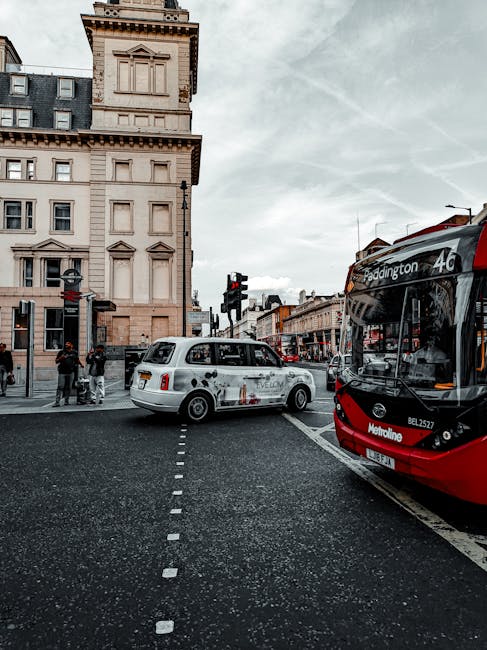
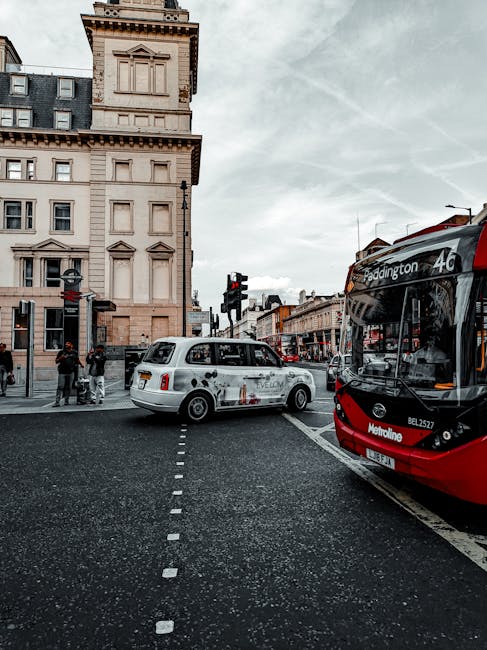
Paddington is an inner-London district in the City of Westminster, known for its rail connections, waterways and mix of historic and modern development. The area is closely associated with Paddington Station, one of the capital’s best-known transport hubs, and with the network of streets, squares and canal-side routes that surround it. The Grand Union Canal and the nearby basin have long shaped the local landscape, giving the district a strong link to movement, trade and engineering. That transport heritage is part of what makes the area distinctive, even as its surrounding streets have changed over time.
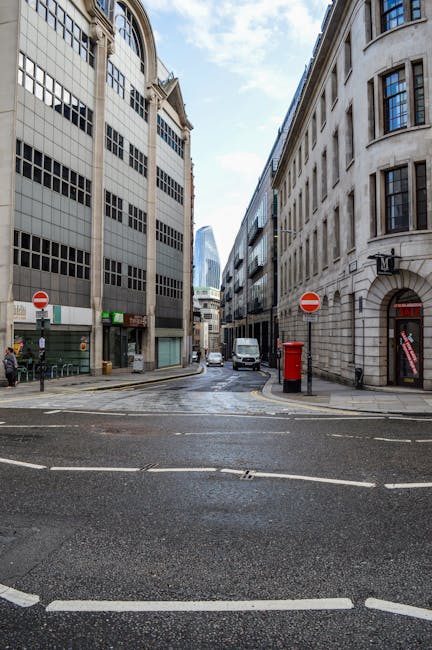
Architecturally, Paddington includes a varied streetscape. There are stucco terraces, mansion blocks, hotel buildings and later commercial structures, alongside quieter residential pockets. The district also contains important public spaces such as Hyde Park’s western edge nearby, with Paddington Gardens providing a more contemporary open setting close to the station. The area’s canalside routes, bridges and waterworks history reflect the way London expanded westward during the nineteenth century, while later redevelopment has added offices, apartment buildings and public realm improvements. The result is a place where older patterns of movement and modern urban life sit side by side. The district remains well connected by rail and Underground lines, and that accessibility continues to define how people pass through, live in and use the neighbourhood today.
Paddington’s identity is also shaped by its cultural associations. The name is familiar through its station, its literary link to the Paddington Bear stories and its position as a gateway between central London and areas further west. For many people, it is a place of arrival and departure as much as a residential district. Yet beyond the transport role, there are local streets and canalside walks that give it a more settled character, especially away from the busiest routes. That combination of movement, history and mixed urban form makes Paddington one of the capital’s most recognisable and layered areas.
Ways to plan a move without overcomplicating it
Once you know the scope of the move, the next step is to match the service to the work. Some customers need household transport with a focus on furniture, while others need help with a few heavy items or a small business relocation. It is often better to be specific about the content of the job than to describe it in general terms, because specific information leads to a more practical quotation and a better idea of the vehicle and labour required. A well-matched service is usually the easiest one to work with.
One helpful approach is to note the main item groups before you ask for a price. For example, you might separate furniture, boxes, fragile items, appliances and anything that needs dismantling. If there are access issues, include those too. The more clearly the task is described, the easier it is to assess the likely workload. If you want to compare transport styles, man with van removal is a useful page for a lighter move, while house removals covers broader domestic moving work.
A short list can help you stay organised without turning preparation into a burden:
- identify the main items to be moved;
- separate fragile pieces and note any special handling;
- check whether larger furniture needs dismantling;
- think about parking and access at both addresses;
- keep key documents and valuables aside.
Choosing the right scale of removal service

The best removal service is not always the largest one. In many cases, a move in Paddington is best handled by selecting the smallest practical setup that can still manage the contents safely. That may mean a straightforward van move, a more structured domestic relocation or support that includes packing and loading. The important part is matching the service to the volume, access and level of handling involved, rather than choosing on size alone.
Our broader moving pages can help you compare the options. Removals near me is a useful starting point if you want to explore the range of support available, while removal services gives a general overview of the kind of work that can fall under a removals contract. For customers who prefer a vehicle-focused solution, removal van and moving van describe the transport side of the job in practical terms.
Request a quotation when you are ready, and include the key details that affect the move: what is being moved, where it is going, and whether there are access issues at either end. If you already know which service style suits you best, that makes the next step much easier. You do not need to over-explain the job; a concise description is usually enough to start the process in a sensible way.
Costs, timing and how quotations are usually shaped
Removal pricing is usually influenced by a small number of practical factors rather than by a single fixed rule. The amount of furniture and boxed contents matters, as does the distance between addresses and the time needed for loading and unloading. Access is another key point, because stairs, parking difficulty and limited entry points can all affect how a team carries out the work. When a quotation is based on those details, it is easier to see what is included and why the move has been priced in that way.
If you are arranging a move at short notice, it is still worth providing the same basic information rather than leaving important details out. A clear outline of the load and the locations involved helps the quotation reflect the real task. For anyone comparing broader company information, pricing and quotes can help frame the kind of detail that is useful before a move is booked. It is usually better to be accurate than to be brief to the point of being unclear.
It also helps to think about what will be ready on the day. Items that are still being packed, furniture that has not been dismantled or rooms that have not been cleared can all change the pace of the job. A good quotation should allow for the move as described, so small changes in the plan are best mentioned early rather than left until the vehicle is due to arrive. That way the process stays tidy and the work can proceed in a way that makes sense for everyone involved.
Supporting moves with sensible standards and clear information
Customers often want reassurance that the move will be handled properly, but the most useful reassurance usually comes from clarity rather than broad promises. Our approach is to keep the moving process practical, with attention to item handling, access and the type of service being requested. Whether the task is a home move, a business relocation or a smaller transport job, the details matter. That is why we encourage people to describe the contents and the route as accurately as possible from the outset.
For supporting information about the way the business approaches safety and related matters, insurance and safety and health and safety policy provide a useful context alongside the service pages. These pages are not a substitute for a move plan, but they can help you understand the structure around the service. If you are interested in the wider background of the company, about us offers general business information without changing the practical focus of the removals work described here.
When you are ready to move forward, the most helpful next step is a straightforward enquiry with the key facts about the job. Contact us to request a quotation for removals in Paddington, and include the items to be moved, the pickup and delivery areas, and any access details that could affect loading or unloading. That gives us a sensible starting point and helps make the response more relevant to your move.