What to Do with Bulky Waste After a Paddington Move
Posted on 22/05/2026
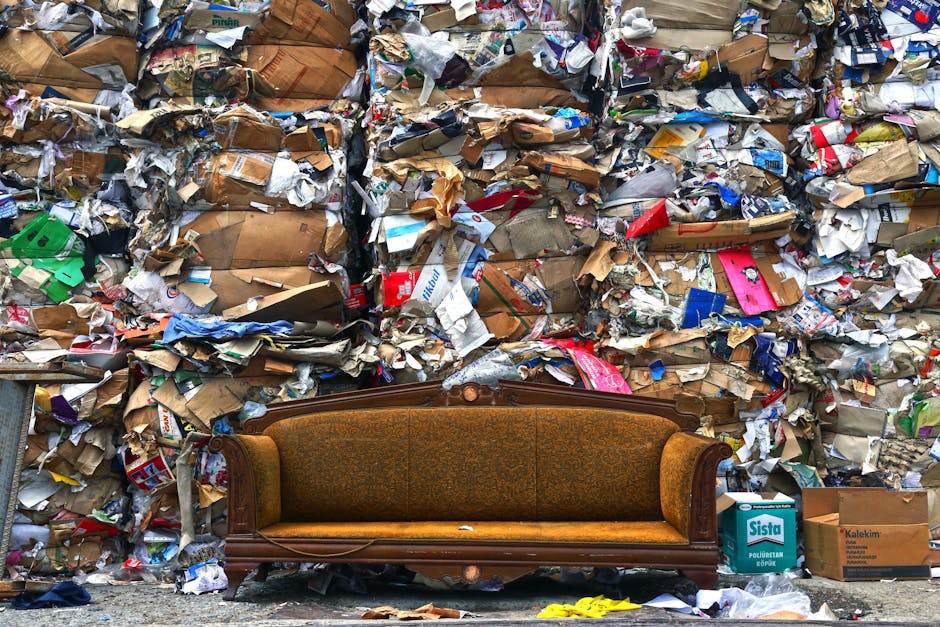
Moving home in Paddington can feel like a small battle with boxes, stairwells, parking restrictions, and that one wardrobe you swear got heavier overnight. Then, just when you think you are done, the bulky waste appears: old sofas, broken bed frames, knackered dining chairs, a fridge that has seen better days, maybe a mountain of packaging you did not even realise was taking over the hallway. So, what to do with bulky waste after a Paddington move?
The short answer is: plan it early, separate what can be reused from what must be disposed of, and choose the right route for collection, recycling, or donation. The longer answer is what this guide gives you. If you are settling into a new flat, organising a house move, or sorting out the last bits after using house removals in Paddington or flat removals Paddington, this article walks you through the practical stuff without the fluff.
And yes, bulky waste is one of those tasks that sounds simple until you are standing in front of an old mattress at 8:15 on a wet London morning wondering where exactly it is meant to go. Let's make it easier.
Why What to Do with Bulky Waste After a Paddington Move Matters
Bulky waste is more than an annoying leftover. In a busy area like Paddington, it can affect access, safety, and how quickly you can settle into your new place. A sofa wedged in a hallway, a mattress left outside too early, or a pile of broken furniture in a shared building can create friction fast, especially in flats and mansion blocks where space is tight.
There is also the simple practical side. If bulky items are left until the last minute, they tend to become an expensive headache. You may need extra labour, a vehicle that can handle larger pieces, or a same-day solution. That is why many people combine disposal planning with their moving schedule, rather than treating it as a separate job. If you are already browsing removal services in Paddington or comparing support options through the wider services overview, it makes sense to ask about bulky-item handling early.
There is also an environmental angle. Not everything bulky needs to go straight to waste. A good table, a working armchair, or a solid bookcase can often be reused, donated, or passed on. Truth be told, a lot of what people call "junk" is still perfectly useful to someone else. Especially in London, where the second-hand market is lively and storage space is at a premium.
Key point: the best bulky-waste plan after a Paddington move is the one that saves time, avoids building issues, reduces waste, and keeps you on the right side of local rules.
How What to Do with Bulky Waste After a Paddington Move Works
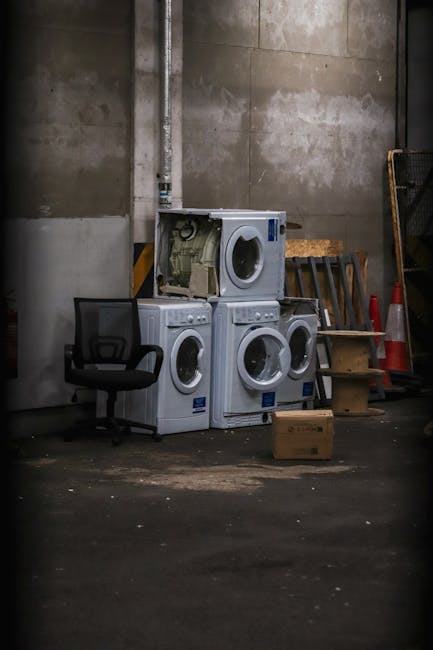
The process usually starts with identifying what counts as bulky waste. In plain English, that means large household items that are too big for regular bins or standard weekly collection. Think sofas, wardrobes, mattresses, white goods, shelving, large rugs, office furniture, and some types of electrical items.
From there, you usually have a few practical routes:
- Reuse or donate if the item is still in decent condition.
- Sell or give away if it has enough life left in it and someone can collect it.
- Book a bulky collection if your local authority offers one.
- Arrange a private clearance if you have several items, tight timings, or awkward access.
- Use recycling where possible for materials that can be separated and processed properly.
In Paddington, access matters. You might be dealing with stairs, narrow corridors, controlled parking, lift restrictions, or a building concierge who has very specific collection windows. That is why it helps to think about bulky waste as part logistics, part sorting, part timing.
For larger or mixed loads, a provider offering man and van Paddington support or a dedicated removal van Paddington service may be more efficient than trying to handle everything yourself. If the items are especially heavy or fragile, such as a piano or specialist furniture, you may need more tailored help like piano removals in Paddington or furniture removals Paddington.
Sometimes the issue is not just the item itself, but the sequence. Move out first, unpack a little, then decide what truly belongs in the new home. That small pause can stop you paying to move something you never wanted to keep in the first place. Been there, seen that.
Key Benefits and Practical Advantages
Handling bulky waste properly after a move gives you more than a tidy room. It makes the whole move feel less chaotic. The benefits are very real, especially in a busy urban area where time and access are both precious.
- Less clutter on day one in your new home.
- Lower stress because disposal is planned, not improvised.
- Better safety around hallways, staircases, and loading areas.
- More reuse and recycling, which is better for sustainability.
- Fewer building or neighbour issues when items are removed properly.
- Cleaner move-in experience so you can focus on unpacking and getting settled.
There is a less obvious benefit too: decision-making gets easier. Once you decide which bulky items are leaving, you can plan storage, room layout, and replacement purchases more sensibly. That matters if you are moving into a smaller Paddington flat, which is a common scenario around the area. If you are still figuring out how to make a new place work, the article on resident advice on living in Paddington has some useful local perspective as well.
Expert summary: Treat bulky waste as part of the move plan, not as an afterthought. The earlier you sort it, the cheaper, safer, and less stressful the whole process usually becomes.
Who This Is For and When It Makes Sense
This guide is for anyone who has just moved, is about to move, or is staring at a pile of unwanted furniture wondering why it always shows up at the worst moment. In practice, it is especially useful for:
- home movers in Paddington
- flat sharers clearing old communal items
- first-time buyers replacing inherited or leftover furniture
- students moving between lets
- landlords and letting agents preparing a property for new tenants
- small businesses handling office furniture after relocation
If you are a first-time buyer, there is often a short window between getting the keys and making the place liveable. You may not want to keep every item left behind by previous owners or movers. That is why planning bulky-waste removal alongside your move can be helpful, especially if you are already reading advice for first-time buyers in Paddington.
For offices, the logic is similar but the stakes are different. Desks, chairs, filing units, and screens can pile up quickly, and the access constraints in central London can be awkward. If that sounds familiar, the office removals checklist for Sheldon Square, Paddington is worth a look.
Sometimes the right answer is not "dispose of everything now." Sometimes it is "store the extra pieces for a month and decide after move-in." If that is you, a local storage Paddington option can buy you breathing room. Handy, really.
Step-by-Step Guidance
If you want a straightforward way to handle bulky waste after moving, follow this sequence.
1. Walk through the property and identify everything bulky
Go room by room. Mark anything that is too large for a normal bin collection or too awkward to move later. Include furniture, broken appliances, old blinds, large mirrors, and packaging that cannot be flattened into standard recycling. A quick phone photo of each item helps, especially if you are comparing disposal quotes.
2. Sort items into four groups
- Keep - things you definitely want in the new place.
- Repair - items worth fixing before deciding.
- Donate or sell - usable items in presentable condition.
- Dispose - damaged, unsafe, or unwanted items.
This step feels boring. It is not glamorous. But it saves money. And a surprising amount of it, too.
3. Measure access and check building rules
Before you move any bulky waste, check stair widths, lift limits, parking access, and any building collection rules. In shared buildings, there may be specific times when items can be removed from communal areas. A lot of stress disappears when you know the route out before the item is halfway into the hallway.
4. Decide the disposal route for each item
Here you decide whether an item should be donated, recycled, collected by the council, or removed privately. Mixed loads often work best with professional help. For larger household moves, you can pair disposal with a broader service such as removals Paddington or, for compact city moves, same-day removals in Paddington where timing is tight.
5. Book collection early
Do not leave bulky waste until after the moving van has gone. That is the classic trap. Book the collection around your move date so you are not stuck with a sofa in the corner for three weeks because the earliest slot is Thursday after next. Not ideal.
6. Prepare items for removal
Detach loose parts, remove cushions, empty drawers, and tape cables together. If items are being donated, clean them lightly. If they are going to recycling or disposal, keep them accessible near the exit where possible.
7. Keep proof and records
For your own peace of mind, save confirmation emails, receipts, or collection details. If your building management asks where a large item went, it helps to have a record. Trust me, it avoids awkward conversations later.
Expert Tips for Better Results
A few small choices make bulky-waste handling much smoother.
- Combine services where it makes sense. If you already need a van for your move, ask whether unwanted furniture can be taken at the same time.
- Choose packing carefully. Good packing and boxes in Paddington help protect the items you are keeping, which makes sorting easier when you arrive.
- Use storage as a buffer. If you are unsure whether to keep a bulky item, store it briefly rather than making a rushed decision.
- Keep valuable items separate. If something might be sellable, do not dump it in a mixed clearance pile by accident.
- Be realistic about condition. A damaged item that only "needs a bit of work" can end up sitting for months. Be honest with yourself. We all do it.
One tip people often miss: photograph bulky items before they leave. If you are donating, selling, or handing them over to a mover, a quick photo gives you a record and can help with estimates if you request a quote later through pricing and quotes.
Another useful habit is to keep one "maybe" zone in the property. That can be a spare corner or one room. Put undecided bulky items there first. It stops the whole home from becoming a holding bay. Small thing, big difference.
Common Mistakes to Avoid
Bulky waste disposal tends to go wrong in a few predictable ways. If you avoid these, you are already ahead of the game.
- Leaving it until moving day. This creates stress, delays, and access problems.
- Assuming everything can go in normal bins. It usually cannot, and that can lead to mess or fines.
- Mixing reusable items with damaged waste. That reduces reuse options and can increase disposal cost.
- Ignoring access restrictions. A lovely flat is still a pain if the item will not fit through the stairwell.
- Forgetting about electrical items. Fridges, freezers, and other appliances often need specific handling.
- Booking the wrong size vehicle. One load too many and you are back to square one.
A sneaky mistake is assuming a cheap option is automatically the best option. Sometimes it is. Sometimes it really is not. If a provider cannot explain how items will be handled safely, whether they recycle appropriately, or how collections are insured, that is a sign to slow down. Check the basics first. The site's insurance and safety page is a good example of the kind of information worth reviewing before you book anything.
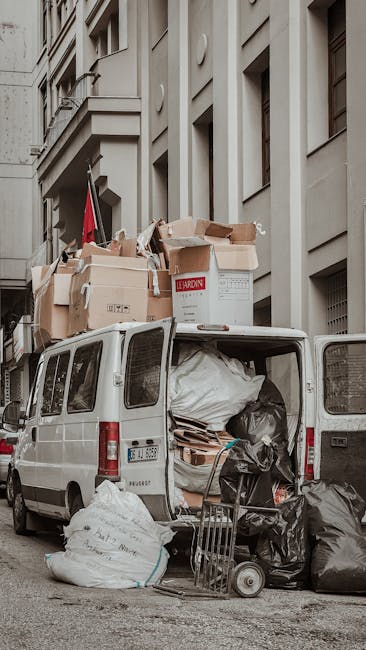
Also, do not underestimate packaging waste. Cardboard, foam, wrap, and tape pile up quickly after a move. If you break it down as you go, it is much easier to manage than waiting until the end. Small wins, and all that.
Tools, Resources and Recommendations
You do not need specialist equipment for every bulky-waste job, but a few tools make life easier.
- Measuring tape for checking item dimensions and access routes.
- Gloves for handling dusty or rough items.
- Marker pen and labels for sorting keep, donate, recycle, and dispose piles.
- Furniture sliders for moving heavier items without wrecking the floor.
- Strong tape and cable ties for bundling parts together.
- Phone camera for records, quotes, and item photos.
For practical support, useful resources can include your building manager, local recycling guidance, a reputable removal team, or a sustainability-focused service. If you are trying to minimise waste, the company's recycling and sustainability information can help you understand how reusable material may be separated from general disposal.
If you want a broader sense of service options, the removal companies Paddington page is a sensible place to compare what support is available. Not every move needs the same setup. A student move, a family move, and a small office clear-out are all different beasts.
And if you are simply stuck, which happens, a quick enquiry through contact can save you half an afternoon of guesswork.
Law, Compliance, Standards, or Best Practice
For bulky waste in the UK, the safest approach is to follow recognised waste-handling best practice: do not dump items illegally, do not leave waste where it creates obstruction, and make sure any collection or disposal route is legitimate and traceable. If you are using a third party, it is sensible to ask how they handle waste and whether they work in line with expected environmental and safety standards.
That is especially important for items that can cause harm if mishandled. Mattresses, fridges, old electrical goods, and heavy furniture need care. In shared buildings, you also need to be mindful of communal spaces and fire routes. A pile of boxes or a sofa left in a corridor is not just untidy; it can be unsafe.
For businesses and landlords, there is usually an extra need to document what was removed and when. Keep invoices, collection notes, and any relevant correspondence. Even if a situation feels minor, tidy records are a good habit. Nothing fancy. Just sensible.
The general best practice is simple:
- choose lawful collection and disposal routes
- use reputable providers
- separate reuse from waste where possible
- avoid blocking access routes or communal areas
- keep a paper trail for important items
For people planning a bigger move, it can also help to review the company's terms and conditions and payment and security information before confirming anything. It is not thrilling reading, no, but it can prevent surprises.
Options, Methods, or Comparison Table
If you are unsure which route suits your bulky waste, this comparison should help. There is no single perfect answer; it depends on the item, the timing, and how much effort you want to put in.
| Option | Best for | Pros | Trade-offs |
|---|---|---|---|
| Donate or give away | Good-condition furniture and appliances | Low cost, less waste, someone else benefits | Needs time, collection may be uncertain |
| Sell privately | Desirable items with value left | Can recover some money | Messages, viewings, and collection coordination |
| Council bulky collection | Limited number of household items | Simple and official | Slot availability and item restrictions may apply |
| Private clearance service | Multiple items, urgent jobs, awkward access | Fast, flexible, practical | Usually costs more than DIY or donation |
| Storage first, decision later | Uncertain items after move-in | Buys time and reduces rushed decisions | Temporary storage cost |
If your main issue is furniture rather than mixed household waste, a dedicated furniture removals Paddington service may be the neatest option. If the job is small and you just need a practical lift with loading help, man with a van Paddington can be a handy middle ground. Not glamorous. Very useful.
Case Study or Real-World Example
Here is a realistic example from a Paddington flat move. A couple moved from a one-bedroom apartment near the station into a larger place nearby. They had one old sofa, a broken coffee table, a mattress, two office chairs, and a stack of flattened boxes that had nowhere sensible to go. At first, they planned to sort it all after the move. Sensible in theory. Messy in practice.
Once they arrived, the sofa blocked part of the living room, the mattress took up the hallway, and the boxes were stacked near the only usable outlet. The flat looked half-finished, which is a miserable feeling when you are trying to settle in on a Friday evening. They changed tack quickly: one chair went to a friend, the sofa was removed through a private collection, and the rest was separated for recycling and disposal.
The real win was timing. They booked collection within the first week, and they measured the route down the stairs before anyone tried to wrestle the sofa around the landing. That one bit of preparation saved a lot of faffing. If they had used flat removals Paddington support from the start, it would have been even smoother, but the lesson still stands: bulky waste is much easier when you treat access and timing as part of the move, not after it.
For office moves, the same principle applies. Furniture and equipment should be identified before relocation, not after everyone has gone home. If you need a wider service package, office removals in Paddington can help align disposal with relocation rather than creating a separate headache.
Practical Checklist
Use this checklist to keep the process under control.
- Walk through every room and note all bulky items.
- Separate reusable items from damaged waste.
- Measure large pieces and check access routes.
- Confirm building rules, parking, and collection windows.
- Decide whether to donate, sell, store, recycle, or dispose.
- Take photos of anything you may quote or donate.
- Book collection before moving day if possible.
- Break down packaging and flatten cardboard as you go.
- Keep electrical items separate where needed.
- Save receipts, booking confirmations, and collection notes.
Quick reminder: if you are moving on a tight schedule, the safest move is usually to book help earlier than you think you need to. The calendar fills up fast, especially around weekends and month-end.
Conclusion
What to do with bulky waste after a Paddington move comes down to three things: decide early, choose the right disposal route, and keep the process tied to your actual move timeline. That way, you avoid clutter, reduce stress, and make the new place feel like home instead of a halfway house for unwanted furniture.
To be fair, every move has its messy bits. But bulky waste does not have to become one of them. A little planning, a sensible choice between reuse, recycling, storage, or collection, and a clear idea of access will get you a long way. And once the last awkward item is out the door, there is a lovely moment of quiet. The rooms feel bigger. The air feels lighter. You can hear your own footsteps again.
If you want practical support with moving, clearance, or timing your next step, it is worth speaking to a local team that understands Paddington's streets, buildings, and pace. Get a free quote today and see how much you can save.
Some jobs are just about getting rid of things. This one is also about making space to begin properly.