Dealing with Furniture Stairs and Parking Restrictions in W2
Posted on 10/06/2026
Moving in W2 can look straightforward on a map and then turn into a very different story the moment you meet a narrow stairwell, a tight landing, or a parking bay that is already full. Dealing with furniture stairs and parking restrictions in W2 is one of those moving challenges that sounds minor until you are actually standing in a hallway with a sofa that will not quite turn. Truth be told, that is where most of the stress lives: not in the box count, but in access.
This guide breaks the process down in plain English. You will learn how to plan for awkward stairs, how parking restrictions affect timing and load-in, what to check before moving day, and how to reduce the risk of damage, delay, or last-minute chaos. If you are moving a flat, a house, or even a single heavy item, the same principles apply. A bit of planning goes a long way.
For readers who want broader moving support, it can also help to look at specialist furniture removals in Paddington or the wider range of removal services available locally.

Why Dealing with Furniture Stairs and Parking Restrictions in W2 Matters
W2 is busy, built-up, and full of properties that were not designed with modern moving vans in mind. That is not a complaint, just reality. Many homes and flats in the area involve narrow staircases, shared entrances, limited kerb space, or controlled parking. Add in furniture that arrives assembled, and you have a moving day that can get awkward quickly.
Why does this matter so much? Because the two biggest time drains in a local move are often access and parking. If your team cannot park near the entrance, carrying distances increase. If a wardrobe will not clear the stair turn, the crew may need to dismantle it. If a lift is too small, everything becomes a stair carry. A move that looked like a half-day job can stretch into something much longer. And nobody enjoys watching daylight disappear while a bed frame is still halfway down the stairs.
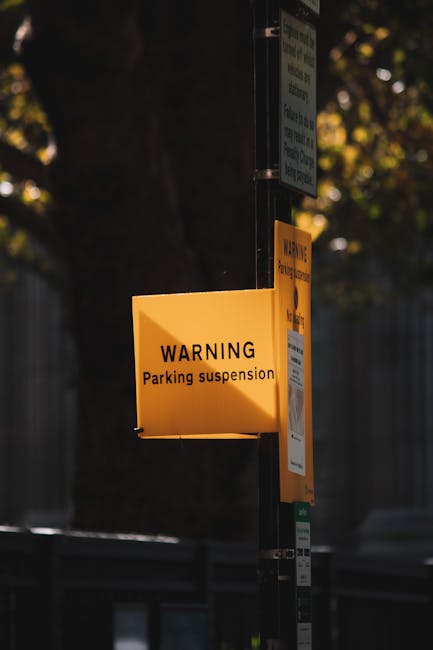
Parking restrictions also affect more than convenience. They can influence the type of vehicle used, the arrival time, whether unloading is legal, and how smoothly the team can protect common areas. In a busy postcode like W2, small mistakes can create a chain reaction: late arrival, missed access window, frustrated neighbours, and heavier labour costs. Not ideal.
So the real job is not just moving furniture. It is coordinating space, timing, and route planning around the building you are moving into or out of. That is what keeps the day calm.
If you are new to the area, the practical side of living here matters in other ways too. You may find the local perspective in resident advice on living in Paddington useful when planning around busy streets and shared access points.
How Dealing with Furniture Stairs and Parking Restrictions in W2 Works
The process usually starts before move day, not on it. A good mover will want to know what kind of property you are dealing with, what floor it is on, whether there is a lift, how wide the staircase is, and whether furniture will need to be dismantled. That information helps decide the vehicle, crew size, equipment, and timing.
Parking is the other half of the equation. In W2, a loading plan matters because the van may need a short, legal stopping point rather than a full parking space. Sometimes the solution is simple: use a nearby loading area, move during a quieter window, or position the vehicle so the carry distance stays reasonable. Other times it takes more thought, especially near busy routes and shared residential roads.
In practice, the job is a blend of preparation and judgement. You check the route from vehicle to front door. You measure the tricky bits. You identify large items. Then you decide whether to keep furniture intact, split it down, or store it temporarily. A bit of common sense helps here, and a tape measure too.
For moves involving flats or multi-storey buildings, it is also worth reviewing flat removals in Paddington and, if the move is larger, house removals in Paddington so you can match the approach to the property type.
The best moving teams usually ask the right questions early. That is a good sign. It means they are thinking about the stair angle, the hallway width, and whether a particular chest of drawers is going to become a problem at 9:15 in the morning. It happens more often than people think.
Key Benefits and Practical Advantages
When you handle stairs and parking properly, the benefits are felt almost immediately on moving day. Things move faster, the furniture is safer, and the whole process feels less chaotic. Here are the main advantages.
- Fewer delays: If parking and access are planned, the crew spends more time moving and less time waiting.
- Lower damage risk: Furniture is less likely to scrape walls, chip corners, or twist at awkward angles.
- Less physical strain: Repeated stair carries are demanding, so better planning protects the people doing the lifting.
- Cleaner building access: Shared hallways and stairwells stay tidier when items are wrapped, protected, and moved in an organised sequence.
- Better cost control: Saving time usually saves money, especially when access is difficult.
- Less stress for you: Which, let's face it, is worth a lot on the day.
There is also a less obvious benefit: confidence. Once the access plan is clear, you stop second-guessing the move. That matters. The mood of a removal job tends to follow the first 30 minutes. If those 30 minutes are smooth, the rest often is too.
If you are comparing local moving options, the company overview at removal companies in Paddington can help you see the broader service picture before you decide.
Who This Is For and When It Makes Sense
This kind of planning is useful for almost anyone moving in W2, but some situations really call for it.
- Flat movers: Especially if the property is on an upper floor or the stairwell is narrow.
- Families moving house: Sofas, wardrobes, beds, and children's furniture can create access headaches.
- Students and young professionals: Smaller moves still get tricky when the building has limited parking or awkward communal stairs.
- Office movers: Desks, filing cabinets, and reception furniture can be bulky and time-sensitive.
- Anyone with large or fragile items: Mirrors, dining tables, pianos, and antique pieces need extra care.
It also makes sense if your move has a tight time window. Maybe you are handing keys back by lunch. Maybe the building only allows a certain access period. Maybe you are moving near a busy transport hub where curb space is constantly in use. In those cases, parking restrictions are not a side issue. They are the main issue.
If your move is urgent, you may also want to consider same day removals in Paddington or the service details in man and van Paddington if the job is smaller and needs flexibility.
And for students specifically, the local moving pattern can be a bit different. A short, well-timed plan is often better than a large vehicle sitting around waiting. The city rewards neat planning. It really does.
Step-by-Step Guidance
Here is the cleanest way to approach a move where stairs and parking are both likely to be a factor.
- Assess the property first. Count floors, identify stairs, note lifts, and check for tight corners or low ceilings. If possible, walk the route from entrance to furniture room.
- Measure the large items. Sofas, beds, wardrobes, cabinets, and appliances are the usual troublemakers. Measure width, height, and depth. Do not guess.
- Check parking and loading options. Look at where a van can safely stop, how far the carry distance is, and whether there are restrictions on waiting or unloading.
- Decide what must be dismantled. Flat-pack furniture, bed frames, and some wardrobes move much better in parts.
- Protect the route. Use covers, blankets, floor protection, and corner guards where needed. Shared hallways deserve respect, frankly.
- Pack by priority. Keep essentials separate so the first few hours of the move do not become a treasure hunt.
- Load in the right order. Heavier, more awkward items should be planned so they do not block access to smaller boxes.
- Allow breathing room in the schedule. A narrow staircase can slow things down. That is normal. Build that into the day.
A good habit is to list every item that is likely to need special handling. If you have ever watched a wardrobe meet a stair landing at exactly the wrong angle, you know why. The move is easier when the "problem items" are identified before anyone lifts a thing.
For packing support, have a look at packing and boxes Paddington. And if the furniture is too valuable or too bulky to risk on a quick move, storage in Paddington can be a useful short-term option while access is sorted.
Expert Tips for Better Results
There are a few small choices that make a big difference on a difficult access job. These are the things experienced movers tend to do without making a fuss about it.
1. Open the route before the van arrives. Clear hallways, move loose rugs, and make sure doors can stay open safely if needed. A little preparation avoids a lot of stopping and starting.
2. Keep a "first out, last in" list. Not everything should be loaded randomly. The items you need first at the destination should be easy to reach. Simple idea, very useful.
3. Wrap furniture before it reaches the stairwell. Waiting until the item is halfway down the stairs is too late. Padding and blankets are not just for looks.
4. Use the right number of people. One person can carry some items. A sofa around a tight bend? That is usually a two- or three-person job. No heroics required.
5. Watch the weather. Wet steps and wet cardboard are a poor combination. On a rainy London morning, stairs can become slippery faster than you expect.
6. Confirm who is handling parking. Someone should own that part of the job. If nobody does, the van may end up circling while everyone assumes someone else has it covered. Classic.
One more thing: if you are moving near a very busy area, leave extra margin for traffic and pedestrian flow. Even a short route can feel longer at peak times. That is just W2 doing what W2 does.
Common Mistakes to Avoid
A lot of problems on difficult moves come from the same handful of mistakes. Avoid these and you are already ahead.
- Assuming access is "fine" because it looked okay from the street. Street-level impressions can be misleading.
- Ignoring the stair shape. A narrow straight flight is one thing; a tight turn on a half-landing is another entirely.
- Forgetting to check vehicle stopping rules. Parking restrictions can be stricter than expected, especially in busy residential zones.
- Leaving dismantling until moving day. That is a good way to turn a manageable job into a slow one.
- Packing heavy items badly. Overloaded boxes make stair carries harder and increase the chance of injury.
- Not protecting walls and banisters. Small scuffs are easy to prevent and annoying to repair.
- Underestimating how long stair carries take. One awkward item can change the whole timeline.
There is also the obvious but often overlooked mistake of not telling the mover everything. If a sofa comes apart, say so. If the parking is restricted, say so. If the lift is out of service, definitely say so. Nobody enjoys surprises during a removal. Well, maybe only in birthday parties.
Tools, Resources and Recommendations
You do not need a van full of specialist equipment, but a few practical tools can make a difficult W2 move much smoother.
| Tool or Resource | Why It Helps | Best Used For |
|---|---|---|
| Measuring tape | Confirms furniture size against stair width, doorways, and landings | Pre-move planning |
| Furniture blankets | Protects against knocks, chips, and wall scuffs | Sofas, tables, wardrobes |
| Straps and trolleys | Improves control during carries and loading | Heavier items |
| Corner and floor protection | Reduces damage in shared hallways and stairwells | Flats and communal buildings |
| Disassembly tools | Helps remove legs, headboards, or fittings before the carry | Bulky furniture |
| Short-term storage | Buys time when access, keys, or parking are not perfectly aligned | Staged moves |
In terms of service support, it can be useful to review man with a van Paddington for flexible smaller moves, removal van Paddington for van-based transport needs, and removals in Paddington if you want a more general moving solution.
If your move involves specialist items, the local piano removals Paddington page is also worth a look, because pianos are in a category of their own. No one ever says, "let's just wing it with the piano." Or at least, they shouldn't.
Law, Compliance, Standards, or Best Practice
Parking restrictions in W2 are not something to improvise around. In practice, the safest approach is to follow local parking rules, respect any permit or loading requirements, and avoid blocking access routes, driveways, or emergency paths. If a van needs to stop in a restricted area, that should be checked in advance rather than assumed on the day.
From a moving and handling perspective, the main best practice is straightforward: reduce risk before lifting. That means measuring large items, using enough people for the weight and shape involved, and taking extra care on stairs. Reputable movers also tend to follow internal health and safety processes, which is one reason it helps to review a company's health and safety policy and insurance and safety information before booking.
If you are comparing providers, it is sensible to look at the broader business details too. Pages such as about us, pricing and quotes, and terms and conditions help set expectations around service, booking, and responsibility. That sort of transparency matters.
For environmentally conscious moves, you may also want to see how a company approaches recycling and sustainability. And if bulky items need to be cleared after the move, the guide on what to do with bulky waste after a Paddington move can be a helpful next step.
Options, Methods, or Comparison Table
There is more than one way to manage stairs and parking restrictions. The right choice depends on the property, the volume of furniture, and how tight the access really is.
| Approach | Best For | Strengths | Trade-Offs |
|---|---|---|---|
| Full removal service | Larger homes, heavy furniture, awkward stairs | Most support, less stress, better handling | Usually the most comprehensive option |
| Man and van | Smaller or lighter moves, flexible schedules | Handy for short-notice or partial moves | Less suitable for very bulky items |
| Vehicle-only transport with self-loading | Organised, low-volume moves | Can be cost-effective | You carry more of the workload yourself |
| Staged move with storage | Property delays, limited parking, awkward handover timing | Reduces pressure on move day | Requires extra coordination |
In most W2 situations, the question is not "which option is best in theory?" It is "which option will actually work with this building, this staircase, and this parking setup?" That is the real decision.
Case Study or Real-World Example
Imagine a third-floor flat in W2 with a narrow staircase, a long hallway, and limited parking directly outside. The main items are a sofa, a double bed, a wardrobe, a dining table, and several boxes. Nothing outrageous, but enough to make the day messy if it is not planned properly.
The first step is a quick access check. The wardrobe does not fit upright around the top turn, so it is dismantled before moving day. The sofa is measured and wrapped. Parking is arranged as close as possible to the entrance, with unloading planned for a quieter part of the day. Boxes are grouped by room so they do not clog the landing.
What happens next is very ordinary, which is exactly the point. The crew arrives, unloads in a sensible order, keeps the hallway protected, and carries items with fewer stops. The whole thing still takes effort - stair moves always do - but it stays under control. No one is improvising with a bulky sofa wedged against a bannister. No one is hunting for parking at the worst possible moment.
That kind of calm result usually comes from boring details done well. Measuring. Planning. Communicating. Not glamorous, but effective.
Practical Checklist
Use this before move day if you are dealing with furniture stairs and parking restrictions in W2.
- Measure all large furniture and note any parts that can be dismantled
- Check the staircase, landing widths, and door clearances
- Confirm whether there is a lift and whether it is large enough
- Identify the closest legal loading or parking option
- Confirm any time windows, permits, or building access rules
- Protect floors, walls, corners, and banisters where possible
- Separate essentials so they are easy to access first
- Wrap fragile and polished furniture before the carry begins
- Decide in advance what will go to storage, if anything
- Share all access details with your movers early
If you are moving from or into a smaller flat, a useful follow-up read is student removals Paddington. For office moves, see office removals Paddington and the practical checklist for office removals in Sheldon Square Paddington. It keeps the planning focused.
Get a free quote today and see how much you can save.
Conclusion
Dealing with furniture stairs and parking restrictions in W2 is really about removing uncertainty before it starts. The more you understand the building, the parking situation, and the shape of your furniture, the smoother the day will feel. That is true whether you are moving one room or an entire home.
In a postcode like W2, the difference between a stressful move and a manageable one often comes down to preparation, not luck. Measure carefully, communicate clearly, and leave space for the unexpected. A staircase is just a staircase, after all. But with the right plan, it stops being a problem and becomes part of the route.
And when the last box is inside and the corridor finally goes quiet, you will be glad you handled the awkward bits properly.